
Product Category
-
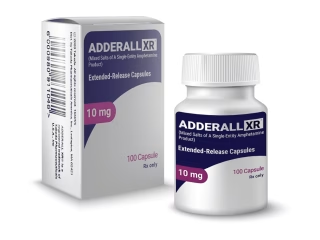 Buy Adderall Online
-
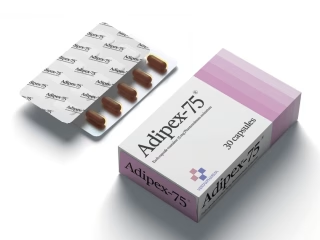 Buy Adipex Online
-
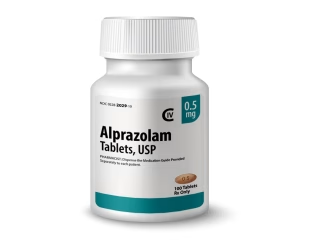 Buy Alprazolam Online
-
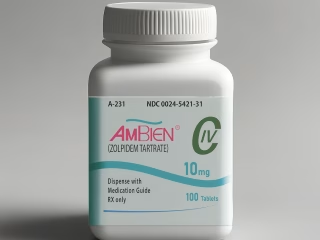 Buy Ambien Online
-
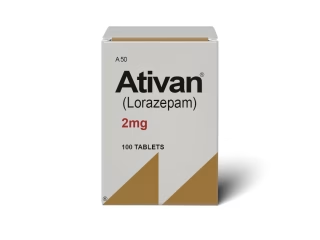 Buy Ativan Online
-
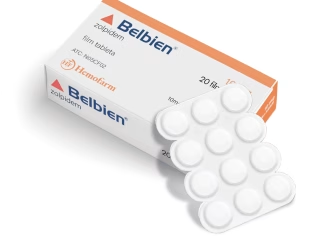 Buy Belbien Online
-
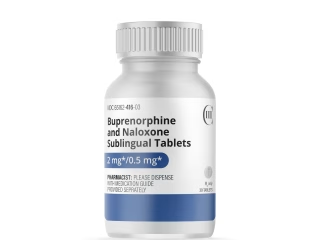 Buy Buprenorphine Online
-
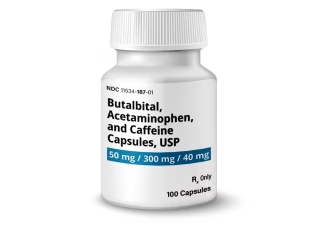 Buy Butalbital Online
-
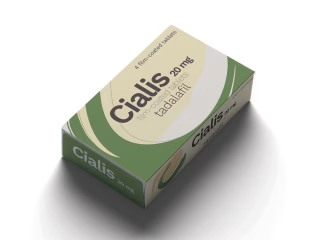 Buy Cialis Online
-
 Buy Claritin Online
-
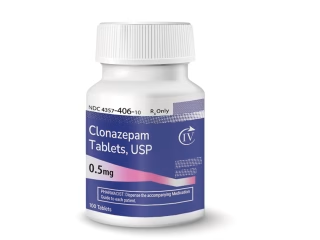 Buy Clonazepam Online
-
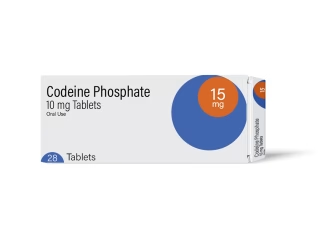 Buy Codeine Online
-
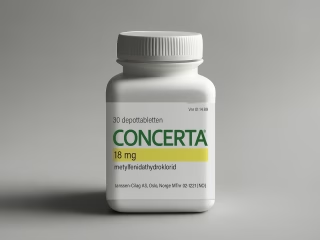 Buy Concerta Online
-
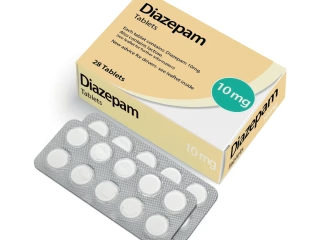 Buy Diazepam Online
-
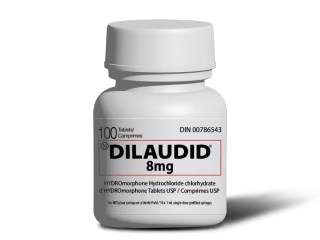 Buy Dilaudid Online
-
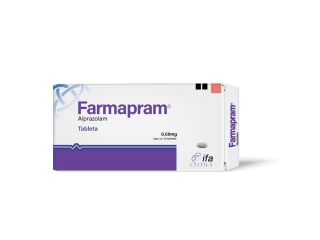 Buy Farmapram Online
-
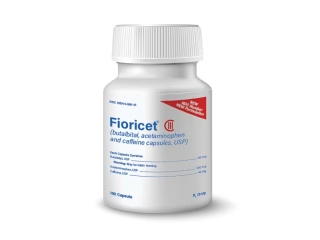 Buy Fioricet Online
-
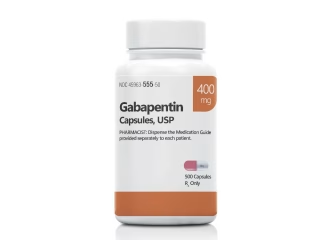 Buy Gabapentin Online
-
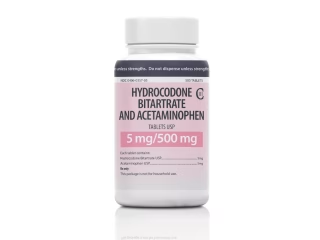 Buy Hydrocodone Online
-
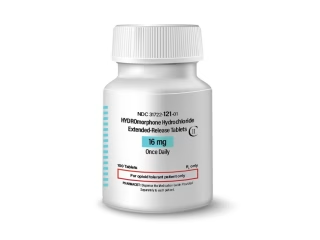 Buy Hydromorphone Online
-
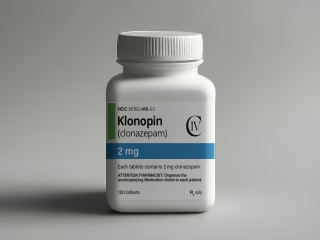 Buy Klonopin Online
-
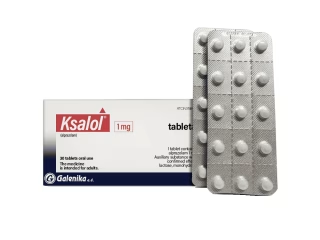 Buy Ksalol Online
-
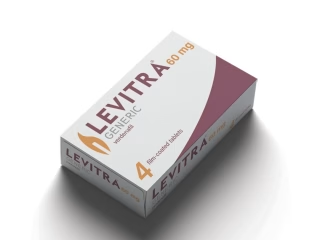 Buy Levitra Online
-
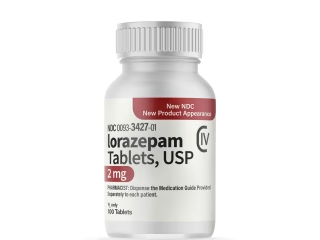 Buy Lorazepam Online
-
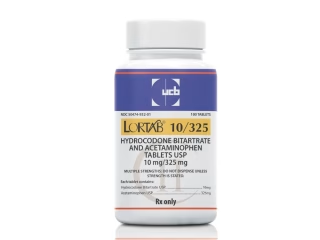 Buy Lortab Online
-
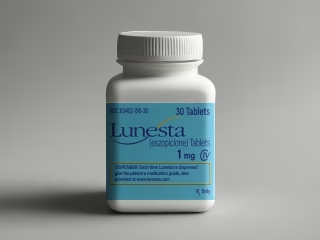 Buy Lunesta Online
-
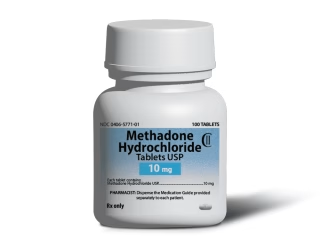 Buy Methadone Online
-
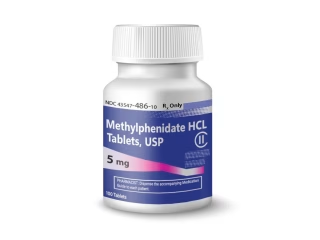 Buy Methylphenidate Online
-
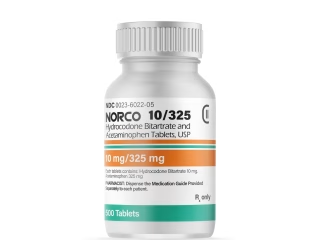 Buy Norco Online
-
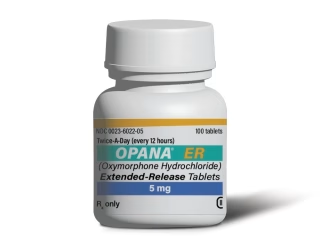 Buy Opana ER Online
-
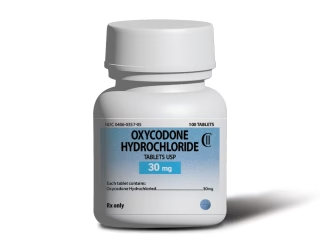 Buy Oxycodone Online
-
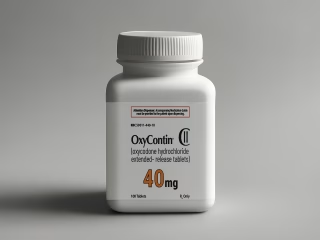 Buy Oxycontin Online
-
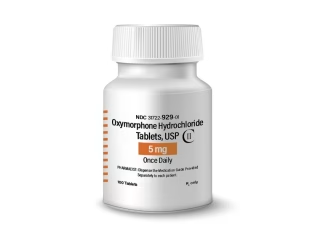 Buy Oxymorphone Online
-
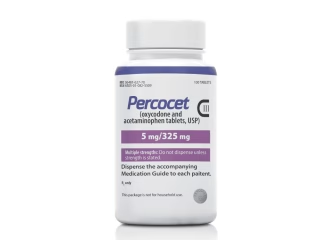 Buy Percocet Online
-
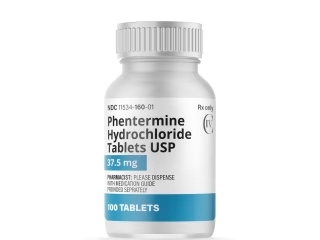 Buy Phentermine Online
-
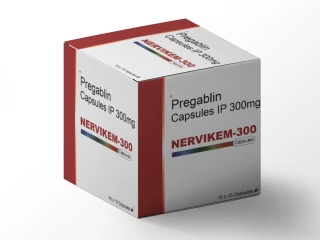 Buy Pregabalin Online
-
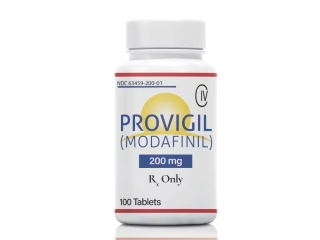 Buy Provigil Online
-
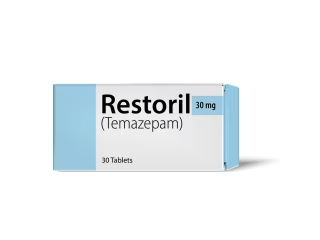 Buy Restoril Online
-
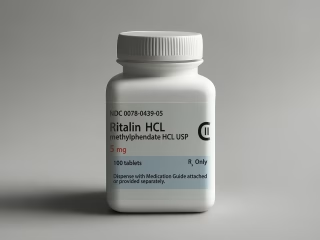 Buy Ritalin Online
-
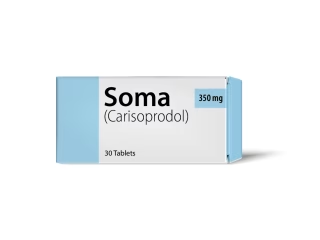 Buy Soma Online
-
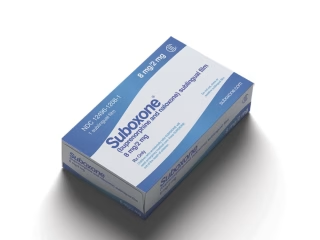 Buy Suboxone Online
-
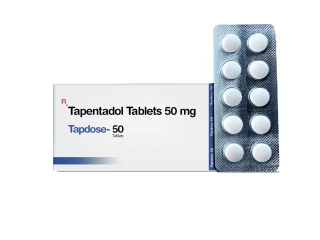 Buy Tapentadol Online
-
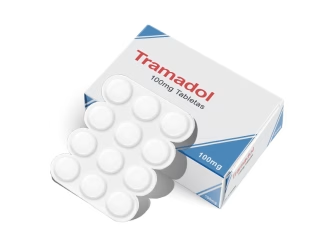 Buy Tramadol Online
-
 Buy Valium Online
-
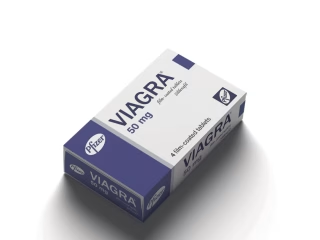 Buy Viagra Online
-
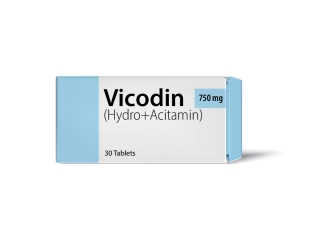 Buy Vicodin Online
-
 Buy Xanax Online
-
 Buy Zolpidem Online
Recent Products
-
 Hydromorphone 2mg
$357.00
-
 Alprazolam 1mg
$317.00
-
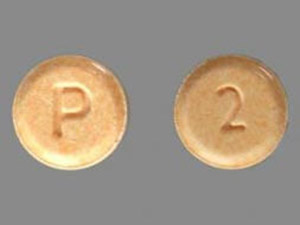 Dilaudid 2mg
$309.00
-
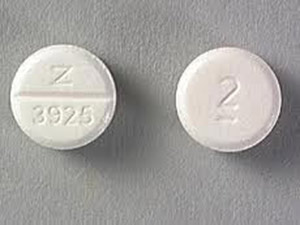 Diazepam 2mg
$307.00
-
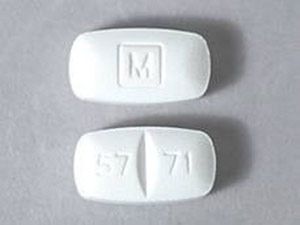 Methadone 10mg
$311.00

Ambien 10mg
$311.00
| 60 Pills | $311.00 | |
| 120 Pills | $407.00 | |
| 180 Pills | $557.00 | |
| 240 Pills | $657.00 | |
| 300 Pills | $757.00 |
What Is Ambien 10 mg?
Ambien 10 mg is the highest available strength of the immediate-release tablet formulation of zolpidem tartrate, a sedative-hypnotic used for the short-term treatment of insomnia. It is a central nervous system (CNS) depressant classified as a Schedule IV controlled substance in the United States because it can be abused or lead to dependence.
The 10 mg strength is approved for adult men as an initial or maintenance dose, but it is not the recommended starting dose for women, who should begin with 5 mg due to slower zolpidem clearance and higher morning blood levels.
What Ambien 10 mg Is Prescribed For
Ambien is FDA-approved for one condition:
- Short-term treatment of insomnia characterized by difficulties with sleep initiation.
Important limitation: Ambien has been shown to decrease sleep latency for up to 35 days in controlled clinical studies. Long-term use is not recommended. Treatment should be as short as possible, and extended treatment should not occur without re-evaluation of the patient’s status because the risk of abuse and dependence increases with duration of treatment.
Not for children: Safety and effectiveness of zolpidem have not been established in pediatric patients. In an 8-week study of children ages 6–17 with insomnia associated with ADHD, zolpidem did not decrease sleep latency compared to placebo, and hallucinations were reported in 7.4% of zolpidem-treated patients versus 0% on placebo.
Active Ingredients
The active ingredient in Ambien 10 mg is zolpidem tartrate, a gamma-aminobutyric acid (GABA) A agonist of the imidazopyridine class.
Chemically, zolpidem is N,N,6-trimethyl-2-p-tolylimidazo[1,2-a] pyridine-3-acetamide L-(+)-tartrate (2:1).
Inactive ingredients: hydroxypropyl methylcellulose, lactose, magnesium stearate, micro-crystalline cellulose, polyethylene glycol, sodium starch glycolate, and titanium dioxide.
The 10 mg tablet is described as capsule-shaped, white, film-coated, with “AMB 10” debossed on one side and “5421” on the other.
Available Strengths
Ambien immediate-release tablets are available in two strengths:
Strength Typical Appearance Recommended Initial Dose 5 mg Capsule-shaped, pink, film-coated Women; elderly; hepatic impairment 10 mg Capsule-shaped, white, film-coated Men (initial or if 5 mg ineffective)
Dosage Guidelines
Adult Men: The recommended initial dose is 5 mg or 10 mg once daily immediately before bedtime, with at least 7–8 hours remaining before planned awakening. If the 5 mg dose is not effective, the dose can be increased to 10 mg.
Adult Women: The recommended initial dose is 5 mg once daily immediately before bedtime. The recommended initial doses for women and men differ because zolpidem clearance is lower in women.
Elderly or Debilitated Patients: The recommended dose is 5 mg once daily immediately before bedtime, regardless of gender, to minimize adverse effects related to impaired motor and/or cognitive performance and unusual sensitivity to sedative/hypnotic drugs.
Hepatic Impairment: The recommended dose is 5 mg once daily immediately before bedtime. Avoid Ambien use in patients with severe hepatic impairment as it may contribute to encephalopathy.
Administration: Ambien should be taken as a single dose immediately before bedtime and should not be readministered during the same night. The effect of Ambien may be slowed by ingestion with or immediately after a meal.
Important Safety Information (Boxed Warning)
Complex Sleep Behaviors: Complex sleep behaviors, including sleep-walking, sleep-driving, and engaging in other activities while not fully awake, may occur following the first or any subsequent use of Ambien. Patients can be seriously injured or injure others during complex sleep behaviors. Such injuries may result in a fatal outcome. Other complex sleep behaviors include preparing and eating food, making phone calls, or having sex. Patients usually do not remember these events. Discontinue Ambien immediately if a patient experiences a complex sleep behavior.
Postmarketing reports have shown that complex sleep behaviors may occur with Ambien alone at recommended doses, with or without the concomitant use of alcohol or other CNS depressants.
Contraindication: Ambien is contraindicated in patients who have experienced complex sleep behaviors after taking Ambien.
Common Side Effects
Short-term trials (up to 10 nights, doses ≤10 mg): Headache (7% vs 6% placebo), drowsiness (2% vs 0%), dizziness (1% vs 0%), diarrhea (1% vs 0%).
Longer-term trials (up to 35 nights, doses ≤10 mg): Drowsiness (8% vs 5% placebo), dizziness (5% vs 1%), dry mouth (3% vs 1%), allergy (4% vs 1%), back pain (3% vs 2%), lethargy (3% vs 1%), drugged feeling (3% vs 0%), palpitation (2% vs 0%), lightheadedness (2% vs 1%), depression (2% vs 1%), amnesia (1% vs 0%), abnormal dreams (1% vs 0%).
Dose relationship: There is evidence from dose comparison trials suggesting a dose relationship for many adverse reactions, particularly for certain CNS and gastrointestinal events.
Important Warnings
CNS-Depressant Effects and Next-Day Impairment: Ambien has the potential to cause next-day impairment, and this risk is increased if dosing instructions are not carefully followed. Patients should wait at least 8 hours after dosing before driving or engaging in activities requiring full mental alertness. Impairment can be present despite feeling fully awake. Increased drowsiness and decreased consciousness may increase the risk of falls.
Severe Anaphylactic and Anaphylactoid Reactions: Severe reactions have occurred with zolpidem. Seek medical attention immediately if signs occur.
Amnesia, Anxiety, and Other Neuropsychiatric Symptoms: May occur unpredictably.
Worsening of Depression: In primarily depressed patients, worsening of depression, including suicidal thinking, has been reported in association with sedative/hypnotics.
Withdrawal Effects: Following rapid dose decrease or abrupt discontinuation, there have been reports of signs and symptoms similar to those associated with withdrawal from other CNS-depressant drugs.
Respiratory Depression: Studies with 10 mg zolpidem did not reveal respiratory depressant effects at hypnotic doses in healthy subjects or in patients with mild to moderate COPD. However, a reduction in lowest oxygen saturation and increase in times of oxygen desaturation below 80% and 90% was observed in patients with mild-to-moderate sleep apnea treated with Ambien 10 mg. Ambien should be used with caution in patients with sleep apnea syndrome or myasthenia gravis.
Pregnancy: Use of Ambien late in the third trimester may cause respiratory depression and sedation in neonates. Monitor neonates for signs of sleepiness, breathing difficulties, or limpness.
Lactation: Zolpidem is excreted in human milk. Breastfeeding mothers should monitor infants for increased sleepiness, breathing difficulties, or limpness. A lactating woman may consider pumping and discarding breastmilk during treatment and for 23 hours after Ambien administration to minimize drug exposure.
Drug Interactions
CNS Depressants: Dosage adjustment may be necessary when Ambien is combined with other CNS-depressant drugs because of potentially additive effects. Ambien showed additive effects when combined with alcohol and should not be taken with alcohol.
Opioids: Inform patients and caregivers that potentially serious additive effects may occur if Ambien is used with opioids. Do not use such drugs concomitantly unless supervised by a healthcare provider.
Fluvoxamine: Concomitant administration may give elevated levels of zolpidem in the blood; therefore, concomitant use is not recommended.
Ciprofloxacin: Concomitant administration may give elevated levels of zolpidem in the blood; therefore, concomitant use is not recommended.
Antidepressants (bupropion, desipramine, fluoxetine, sertraline, venlafaxine): Isolated cases of visual hallucinations have been reported in patients taking zolpidem together with these antidepressants.
Who Should Not Take Ambien 10 mg
Ambien is contraindicated in patients:
- Who have experienced complex sleep behaviors after taking Ambien.
- With known hypersensitivity to zolpidem. Observed reactions include anaphylaxis and angioedema.
How Prescriptions Work
As a Schedule IV controlled substance, Ambien prescriptions are subject to federal and state regulations:
- Refills: Schedule IV prescriptions may be refilled up to 5 times within 6 months from the date written, unless otherwise restricted by state law.
- Short-term use: Long-term use is not recommended. Treatment should be as short as possible. Extended treatment should not take place without re-evaluation of the patient’s status because the risk of abuse and dependence increases with the duration of treatment.
- Lowest effective dose: Use the lowest effective dose for the patient.
- Maximum dose: The total dose of Ambien should not exceed 10 mg once daily immediately before bedtime.
- Safe storage: Keep Ambien in a safe place to protect it from theft. Never give Ambien to anyone else because it may cause death or harm them. Selling or giving away this medicine is against the law.
Frequently Asked Questions
Is Ambien 10 mg safe for long-term use?
No. Long-term use of Ambien is not recommended. Treatment should be as short as possible. Extended treatment should not take place without re-evaluation of the patient’s status because the risk of abuse and dependence increases with the duration of treatment.
Does Ambien 10 mg affect sleep?
Ambien is used to decrease sleep latency (the time it takes to fall asleep). It has been shown to decrease sleep latency for up to 35 days in controlled clinical studies.
Can I stop taking Ambien 10 mg suddenly?
Following rapid dose decrease or abrupt discontinuation, there have been reports of signs and symptoms similar to those associated with withdrawal from other CNS-depressant drugs. Do not stop taking Ambien without talking to your healthcare provider.
What does “10 mg” mean in Ambien 10 mg?
The 10 mg refers to the amount of zolpidem tartrate active ingredient in each tablet. It is the highest available immediate-release strength.
Is Ambien 10 mg the same as Ambien CR 10 mg?
No. Ambien 10 mg is an immediate-release tablet, while Ambien CR is an extended-release tablet available in 6.25 mg and 12.5 mg strengths. They have different release profiles and dosing.
Can Ambien 10 mg be split?
Ambien tablets are not scored. Splitting is not recommended.
What should I do if I experience a complex sleep behavior?
Stop taking Ambien immediately and tell your healthcare provider right away if you find out that you have done any complex sleep behaviors after taking Ambien, such as sleep-walking, sleep-driving, making and eating food, talking on the phone, or having sex.
Conclusion
Ambien 10 mg is the highest-strength immediate-release sedative-hypnotic approved for the short-term treatment of insomnia characterized by difficulty with sleep initiation. As a Schedule IV controlled substance, it carries a boxed warning for complex sleep behaviors—including sleep-driving—that can result in serious injury or death, and requires strict prescribing controls. The 10 mg dose is appropriate for adult men as an initial or maintenance dose, but women, elderly patients, and those with hepatic impairment should begin with 5 mg. Common side effects include drowsiness, dizziness, and headache. Serious risks include next-day impairment, respiratory depression, worsening depression, and withdrawal effects. Ambien should be taken immediately before bedtime with at least 7–8 hours remaining before planned awakening, and never with alcohol or other CNS depressants. Patients should use the lowest effective dose for the shortest duration possible, store the medication securely, and never share it with others. Any changes to treatment should be managed under medical supervision.
11 reviews for Ambien 10mg
Related products
-
$311.00Select options This product has multiple variants. The options may be chosen on the product page

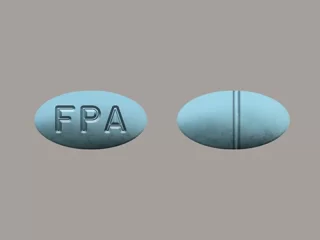
What Is Ambien 5 mg? Ambien 5 mg is the lowest available strength of the immediate-release tablet formulation of zolpidem tartrate, a sedative-hypnotic used for the short-term treatment of insomnia. It is a central nervous system (CNS) depressant classified as a Schedule IV controlled substance in the United States because it can be abused or …


Laura
I was worried about Ambien being habit-forming, but I’ve been taking it for months now and I haven’t experienced any problems.
Timothy
My insomnia was putting a strain on my marriage. Ambien has helped me get my sleep back on track, and it has saved my marriage.
Stephanie
I highly recommend Ambien to anyone who is struggling with insomnia. It has changed my life for the better, and I’m so grateful for its effectiveness.
Gary
Ambien has been a game-changer for my sleep. It has helped me get my life back on track, and I’m so grateful for its effectiveness.
Cynthia
Ambien may be a bit pricey, but it’s worth every penny. It has improved my sleep quality so much that I’m willing to pay whatever it takes.
Ryan
Ambien is very easy to use. I simply take one tablet before bed, and it works its magic. I don’t have to worry about any complicated dosing or side effects.
Amy
Ambien is incredibly effective and fast-acting. Within minutes of taking it, I started to feel drowsy and relaxed. It helps me drift off to sleep effortlessly.
Nicholas
Thanks to Ambien, I can finally say goodbye to sleepless nights. It has helped me get the restful sleep I need to function properly.
Dax Collins (verified owner)
Been a customer for 3 years. Never switching. You guys rock!
aidensmith
Been a customer for 3 years. Never switching. You guys rock!
bellajohnson
Short wait times on chat and they really know their stuff. So helpful.