
Product Category
-
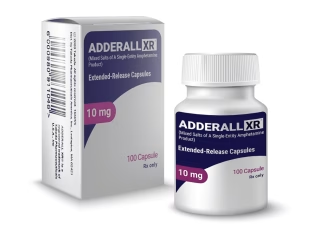 Buy Adderall Online
 -
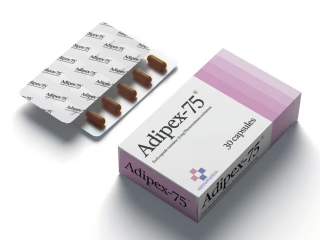 Buy Adipex Online
 -
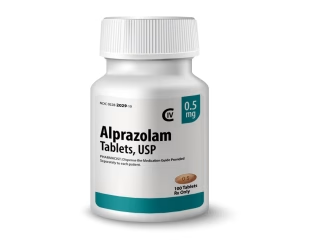 Buy Alprazolam Online
 -
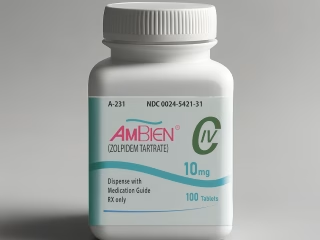 Buy Ambien Online
 -
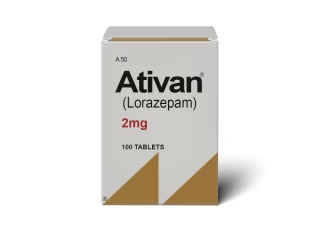 Buy Ativan Online
 -
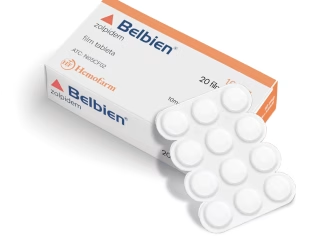 Buy Belbien Online
 -
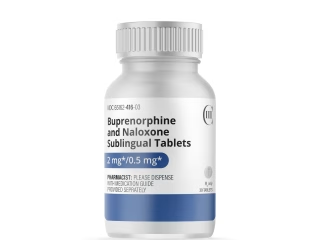 Buy Buprenorphine Online
 -
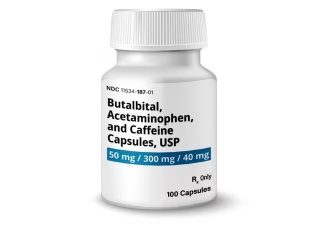 Buy Butalbital Online
 -
 Buy Cialis Online
 -
 Buy Claritin Online
 -
 Buy Clonazepam Online
 -
 Buy Codeine Online
 -
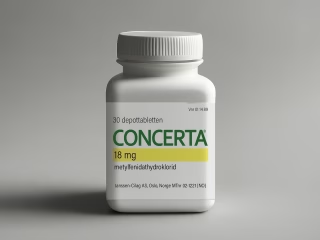 Buy Concerta Online
 -
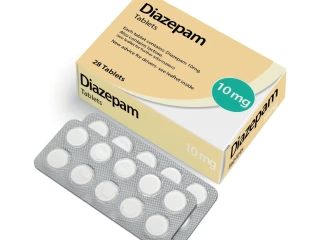 Buy Diazepam Online
 -
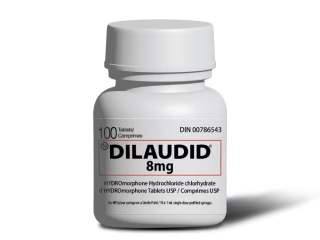 Buy Dilaudid Online
 -
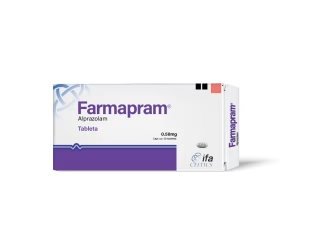 Buy Farmapram Online
 -
 Buy Fioricet Online
 -
 Buy Gabapentin Online
 -
 Buy Hydrocodone Online
 -
 Buy Hydromorphone Online
 -
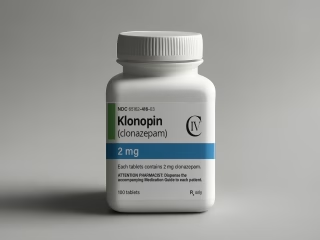 Buy Klonopin Online
 -
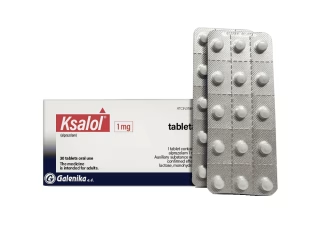 Buy Ksalol Online
 -
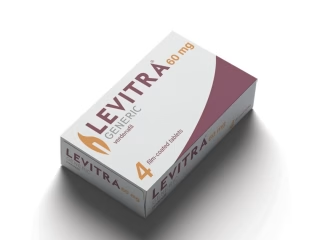 Buy Levitra Online
 -
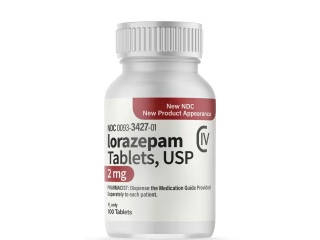 Buy Lorazepam Online
 -
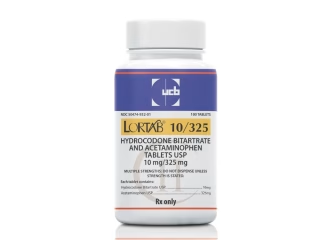 Buy Lortab Online
 -
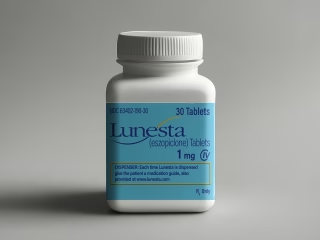 Buy Lunesta Online
 -
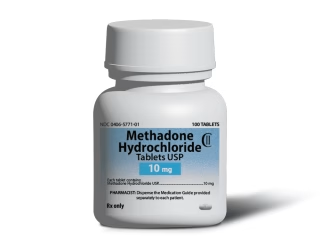 Buy Methadone Online
 -
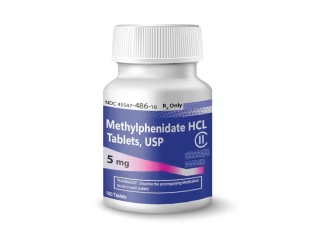 Buy Methylphenidate Online
 -
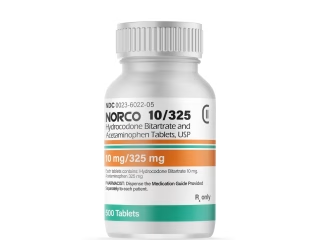 Buy Norco Online
 -
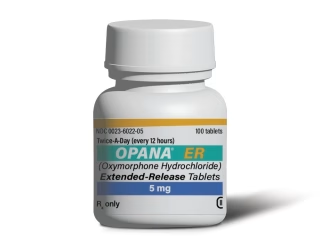 Buy Opana ER Online
 -
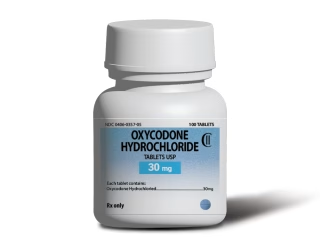 Buy Oxycodone Online
 -
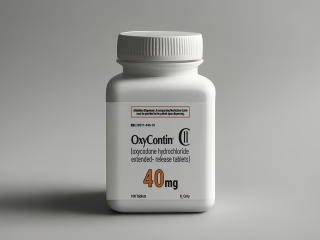 Buy Oxycontin Online
 -
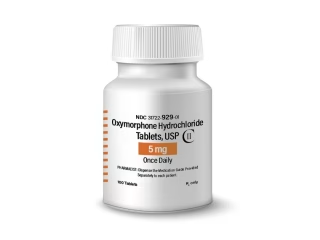 Buy Oxymorphone Online
 -
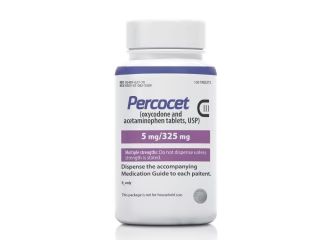 Buy Percocet Online
 -
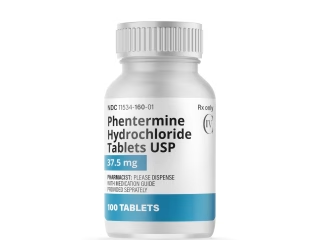 Buy Phentermine Online
 -
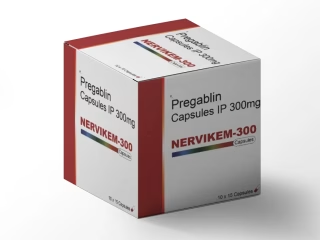 Buy Pregabalin Online
 -
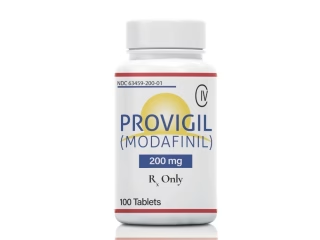 Buy Provigil Online
 -
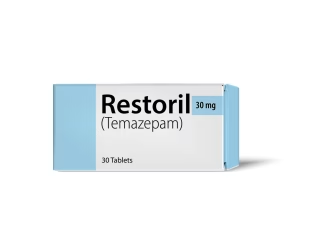 Buy Restoril Online
 -
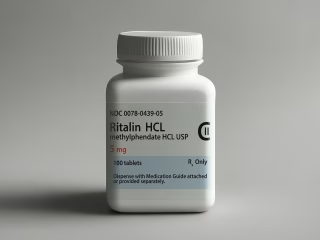 Buy Ritalin Online
 -
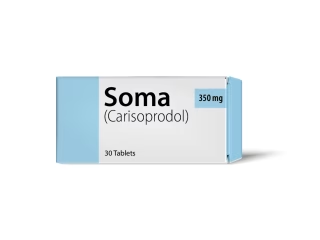 Buy Soma Online
 -
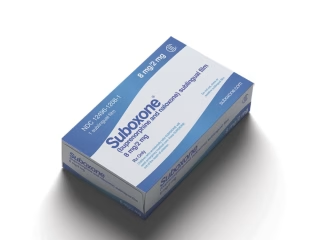 Buy Suboxone Online
 -
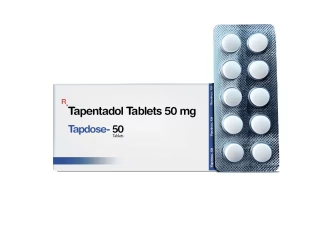 Buy Tapentadol Online
 -
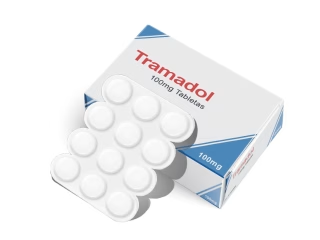 Buy Tramadol Online
 -
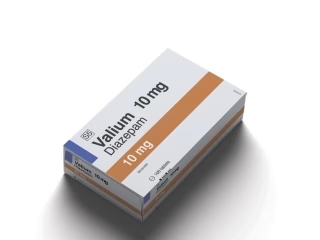 Buy Valium Online
 -
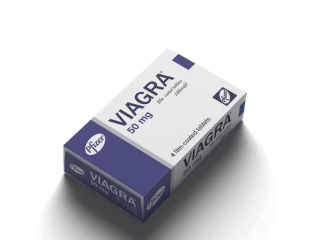 Buy Viagra Online
 -
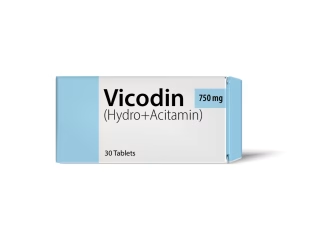 Buy Vicodin Online
 -
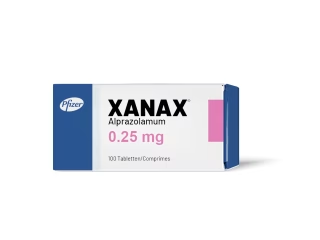 Buy Xanax Online
 -
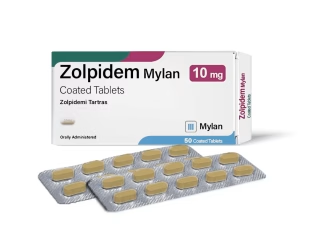 Buy Zolpidem Online
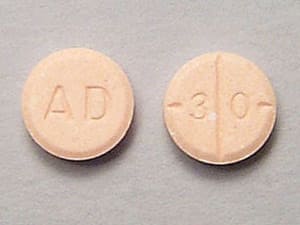
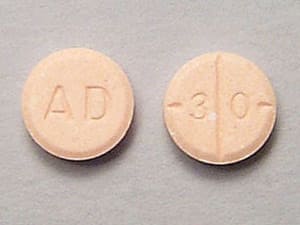
Adderall 30mg
$437.00
| 60 Pills | $437.00 | |
| 120 Pills | $547.00 | |
| 180 Pills | $707.00 | |
| 240 Pills | $807.00 | |
| 300 Pills | $937.00 |
What Is Adderall 30 mg?
Adderall 30 mg is the highest available strength of the immediate-release (IR) tablet formulation of Adderall. It is a central nervous system (CNS) stimulant prescription medicine classified as a Schedule II controlled substance in the United States due to its high potential for abuse and dependence.
The 30 mg strength is typically reserved for patients who have been titrated upward through lower doses and require the maximum single-tablet strength for adequate symptom control. Because it is the highest IR tablet available, it is often prescribed as a total daily dose divided across one or more administrations.
What Adderall 30 mg Is Prescribed For
Adderall 30 mg is FDA-approved for two conditions:
- Attention-Deficit/Hyperactivity Disorder (ADHD): In children ages 3 to 17 years. It may help increase attention and decrease impulsiveness and hyperactivity.
- Narcolepsy: In people ages 6 years and older.
Adderall is intended as part of a total treatment program for ADHD that may include psychological, educational, and social measures. Drug treatment may not be appropriate for all children with ADHD.
Active Ingredients
The active ingredients in Adderall 30 mg are four amphetamine salts:
- Dextroamphetamine saccharate
- Amphetamine aspartate
- Dextroamphetamine sulfate
- Amphetamine sulfate
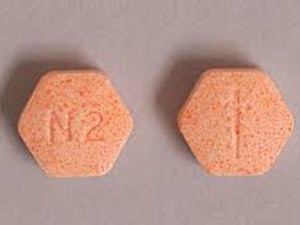
The authentic 30 mg tablet produced by Teva is described as round, orange/peach, and scored with “dp” embossed on one side and “30” on the other side. Another manufacturer listing describes the 30 mg tablet as oval, peach, and scored with “b 974/30” imprinted. Generic versions may vary slightly in imprint and color.
Important warning about counterfeit tablets: The FDA has warned about a counterfeit version of Adderall 30 mg tablets purchased on the Internet. The counterfeit tablets are round, white, and have no markings (no letters or numbers). Authentic 30 mg tablets are orange/peach and scored. If you receive a white, unmarked tablet claiming to be Adderall 30 mg, do not take it.
Immediate-Release vs. Extended-Release
Adderall 30 mg is an immediate-release (IR) tablet. It should not be confused with Adderall XR (extended-release), which is a different formulation with different dosing.
Feature
Immediate-Release (IR) Tablets Extended-Release (XR) Capsules Available strengths 5 mg, 7.5 mg, 10 mg, 12.5 mg, 15 mg, 20 mg, 30 mg Onset Usually within 30–60 minutes Duration Approximately 4–6 hours Dosing frequency Often multiple times daily Minimum age (ADHD) 3 years
Note: Based on bioequivalence data, patients taking divided doses of immediate-release Adderall (for example, twice a day) may be switched to Adderall XR at the same total daily dose taken once daily.
Important Safety Information (Boxed Warning)
Abuse, Misuse, and Addiction: Adderall 30 mg has a high potential for abuse and misuse, which can lead to the development of a substance use disorder, including addiction. Misuse and abuse of CNS stimulants can result in overdose and death. This risk is increased with higher doses or unapproved methods of administration, such as snorting or injection.
Your healthcare provider should check you or your child’s risk for abuse, misuse, and addiction before starting treatment and will monitor during treatment.
Adderall 30 mg may lead to physical dependence after prolonged use, even if taken as directed.
Do not give Adderall to anyone else. Selling or giving away this medication is against the law and may harm others.
Common Side Effects
Pediatric patients ages 6 to 12: Loss of appetite, insomnia, abdominal pain, emotional lability, vomiting, nervousness, nausea, and fever.
Pediatric patients ages 13 to 17: Loss of appetite, insomnia, abdominal pain, weight loss, and nervousness.
Adults: Dry mouth, loss of appetite, insomnia, headache, weight loss, nausea, anxiety, agitation, dizziness, tachycardia, diarrhea, asthenia, and urinary tract infections.
Important Warnings
Cardiovascular Risks: Sudden death has been reported in patients with structural cardiac abnormalities or other serious heart disease who were treated with CNS stimulants at recommended doses. Adderall 30 mg generally should not be used in patients with known structural cardiac abnormalities, cardiomyopathy, serious heart rhythm abnormalities, or coronary artery disease. Adderall causes modest increases in average blood pressure and heart rate.
Psychiatric Risks: Stimulants may cause new or worsening mental problems, including psychosis, mania, or bipolar illness. Treatment-emergent psychotic or manic symptoms (such as hallucinations, delusional thinking, or mania) can occur in patients without prior history of psychotic illness. Aggressive behavior or hostility has also been reported.
Long-Term Growth Suppression: CNS stimulants have been associated with weight loss and a slowing of growth rate in children. Careful follow-up of children ages 7 to 10 suggests consistently medicated children may have a temporary slowing in growth rate (on average, about 2 cm less growth in height and 2.7 kg less growth in weight over 3 years). Height and weight should be monitored during treatment.
Peripheral Vasculopathy (Raynaud’s Phenomenon): Stimulants are associated with circulation problems in fingers and toes. Signs include fingers or toes feeling numb, cool, or painful, or changing color from pale to blue to red.
Serotonin Syndrome: A potentially life-threatening reaction that may occur when Adderall 30 mg is taken with other serotonergic drugs. Symptoms include agitation, hallucinations, fast heartbeat, flushing, seizures, loss of coordination, confusion, dizziness, changes in blood pressure, sweating or fever, nausea, vomiting, diarrhea, muscle stiffness, and high body temperature. Stop taking Adderall and seek emergency care immediately if these occur.
Seizures: Stimulants may lower the convulsive threshold. Adderall 30 mg should be discontinued if seizures occur.
New or Worsening Tics: Adderall 30 mg may cause or worsen motor and verbal tics, or worsen Tourette’s syndrome.
Drug Interactions
MAOIs (Monoamine Oxidase Inhibitors): Taking Adderall 30 mg with MAOIs, or within 14 days of stopping an MAOI, can cause a hypertensive crisis with potentially fatal outcomes. This combination is contraindicated.
Serotonergic Drugs: Increased risk of serotonin syndrome. Examples include SSRIs, SNRIs, triptans, tricyclic antidepressants, fentanyl, lithium, tramadol, tryptophan, buspirone, and St. John’s Wort.
CYP2D6 Inhibitors: May increase amphetamine exposure and risk of serotonin syndrome. Examples include paroxetine, fluoxetine, quinidine, and ritonavir.
Alkalinizing Agents (e.g., antacids, sodium bicarbonate): Increase blood levels and potentiate the effects of amphetamine. Co-administration with Adderall 30 mg should be avoided.
Acidifying Agents (e.g., ascorbic acid, fruit juices): Lower blood levels and reduce efficacy of amphetamines.
Proton Pump Inhibitors (e.g., omeprazole): May decrease the time to maximum concentration of amphetamine. Monitor patients for changes in clinical effect.
Who Should Not Take Adderall 30 mg
Adderall 30 mg is contraindicated in patients with:
- Known hypersensitivity or allergic reaction to amphetamine products
- A history of drug abuse
- Advanced arteriosclerosis, symptomatic cardiovascular disease, moderate to severe hypertension
- Hyperthyroidism
- Glaucoma
- Agitated states
- Current or recent (within 14 days) use of MAOIs
How Prescriptions Work
As a Schedule II controlled substance, Adderall 30 mg prescriptions are subject to strict federal and state regulations:
- No refills allowed: Federal law prohibits refills on Schedule II prescriptions. A new prescription is required each time.
- Limited quantity: Many jurisdictions limit the quantity that can be prescribed at once (often a 30-day supply).
- Regular follow-up: Patients may need regular follow-up visits before receiving a new prescription.
- Lowest effective dose: Prescribers should individualize dosage and use the lowest effective dose.
- Maximum daily dose: For adults, the maximum recommended daily dose of immediate-release Adderall is 60 mg/day. For children ages 3–17, the maximum is 40 mg/day.
- Safe storage: Store Adderall 30 mg at room temperature (20° to 25°C / 68° to 77°F), protect from light, and keep in a safe place such as a locked cabinet.
Frequently Asked Questions
Is Adderall 30 mg safe for long-term use?
The effectiveness of Adderall 30 mg for long-term use has not been systematically evaluated in controlled trials. Physicians should periodically re-evaluate the long-term usefulness for each patient.
Does Adderall 30 mg affect sleep?
Insomnia is a common side effect. Taking the medication earlier in the day can help minimize sleep difficulties. Afternoon doses should be avoided because of the potential for insomnia.
Can I stop taking Adderall 30 mg suddenly?
Abrupt discontinuation after prolonged use can lead to withdrawal symptoms. This should be managed under medical supervision.
What does “30 mg” mean in Adderall 30 mg?
The 30 mg refers to the total amount of the four amphetamine salts combined.
Is Adderall 30 mg the same as Adderall XR 30 mg?
No. Adderall 30 mg is an immediate-release tablet, while Adderall XR 30 mg is an extended-release capsule. They have different onset times, durations, and dosing schedules.
How does Adderall 30 mg compare to Adderall 20 mg?
Adderall 30 mg is the highest available immediate-release strength, one titration step above 20 mg. It is typically prescribed when a patient requires the maximum single-tablet dose or when a total daily dose of 30 mg is divided across multiple administrations.
What should I do if I receive a white, unmarked tablet claiming to be Adderall 30 mg?
Do not take it. The FDA has warned that counterfeit Adderall 30 mg tablets purchased online are white, round, and unmarked, while authentic tablets are orange/peach and scored. Contact your pharmacist or healthcare provider immediately.
Conclusion
Adderall 30 mg is the highest-strength immediate-release stimulant approved for ADHD and narcolepsy. As a Schedule II controlled substance, it carries a boxed warning for abuse, misuse, and addiction, and requires strict prescribing controls. Common side effects include appetite loss, insomnia, and nervousness. Serious risks include cardiovascular events, psychiatric symptoms, growth suppression in children, and serotonin syndrome when combined with serotonergic drugs. Patients should use the lowest effective dose, monitor height and weight (in children), store the medication securely, and never share it with others. The FDA’s warning about counterfeit 30 mg tablets underscores the importance of obtaining this medication only through legitimate pharmacies with a valid prescription. Any changes to treatment should be managed under medical supervision.
3 reviews for Adderall 30mg
Related products
-
$367.00Select options This product has multiple variants. The options may be chosen on the product page
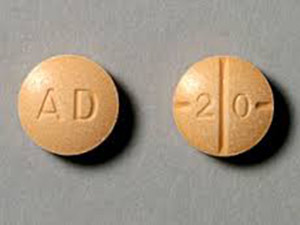
What Is Adderall 20 mg? Adderall 20 mg is a mid-to-high strength of the immediate-release (IR) tablet formulation of Adderall. It is a central nervous system (CNS) stimulant prescription medicine classified as a Schedule II controlled substance in the United States due to its high potential for abuse and dependence. The 20 mg strength is …
-
$337.00Select options This product has multiple variants. The options may be chosen on the product page
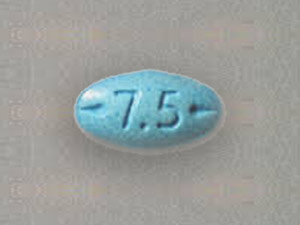
What Is Adderall 7.5 mg? Adderall 7.5 mg is a low-to-mid strength of the immediate-release (IR) tablet formulation of Adderall. It is a central nervous system (CNS) stimulant prescription medicine classified as a Schedule II controlled substance in the United States due to its high potential for abuse and dependence. The 7.5 mg strength is …
-
$357.00Select options This product has multiple variants. The options may be chosen on the product page
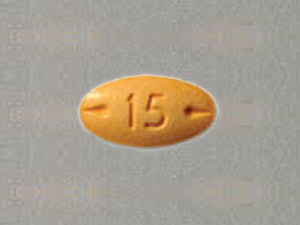
What Is Adderall 15 mg? Adderall 15 mg is a mid-to-upper strength of the immediate-release (IR) tablet formulation of Adderall. It is a central nervous system (CNS) stimulant prescription medicine classified as a Schedule II controlled substance in the United States due to its high potential for abuse and dependence. The 15 mg strength is …
-
$367.00Select options This product has multiple variants. The options may be chosen on the product page
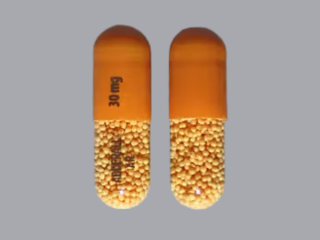
What Is Adderall XR 30 mg? Adderall XR 30 mg is the highest available strength of the extended-release (XR) capsule formulation of mixed amphetamine salts. It is a central nervous system (CNS) stimulant classified as a Schedule II controlled substance in the United States due to its high potential for abuse and dependence. The 30 …
-
$337.00Select options This product has multiple variants. The options may be chosen on the product page
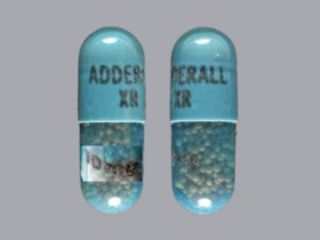
What Is Adderall XR 10 mg? Adderall XR 10 mg is a low-to-mid strength of the extended-release (XR) capsule formulation of Adderall. It is a central nervous system (CNS) stimulant prescription medicine classified as a Schedule II controlled substance in the United States due to its high potential for abuse and dependence. The 10 mg …
Jessica
This medication has given me the confidence to pursue my dreams without hesitation.
Christopher
This medication has given me the confidence to pursue my dreams without hesitation.
Brad Coffey
This website has been a lifesaver. I found what I needed easily, and the shipping was super fast. Thank you.