
Product Category
-
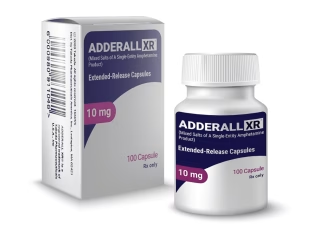 Buy Adderall Online
 -
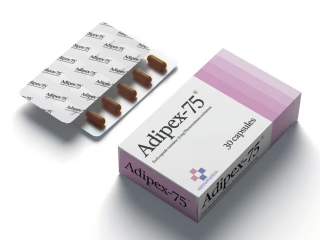 Buy Adipex Online
 -
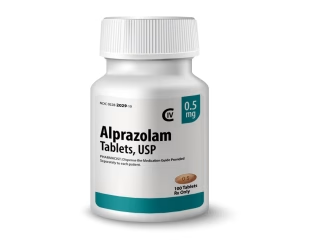 Buy Alprazolam Online
 -
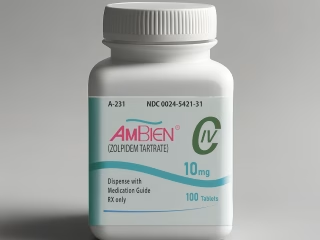 Buy Ambien Online
 -
 Buy Ativan Online
 -
 Buy Belbien Online
 -
 Buy Buprenorphine Online
 -
 Buy Butalbital Online
 -
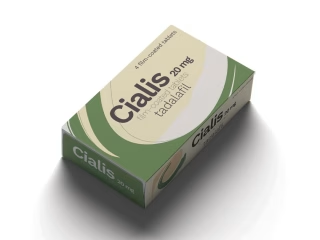 Buy Cialis Online
 -
 Buy Claritin Online
 -
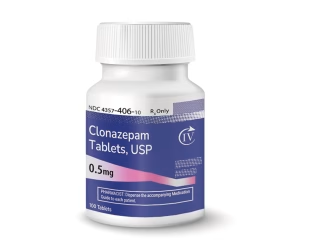 Buy Clonazepam Online
 -
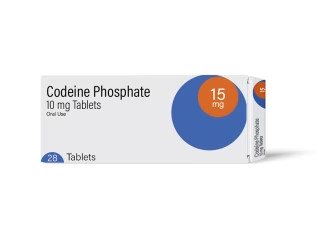 Buy Codeine Online
 -
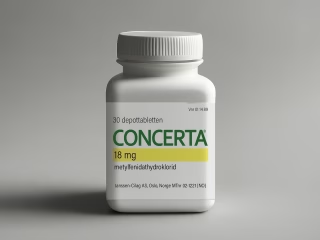 Buy Concerta Online
 -
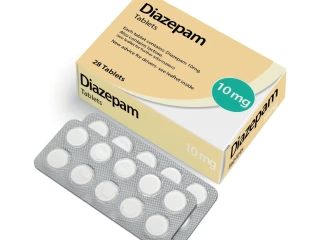 Buy Diazepam Online
 -
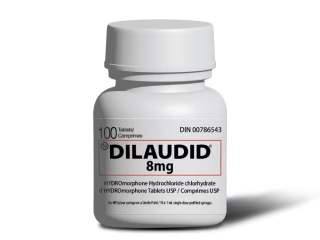 Buy Dilaudid Online
 -
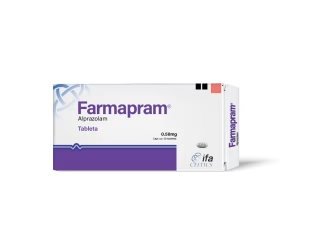 Buy Farmapram Online
 -
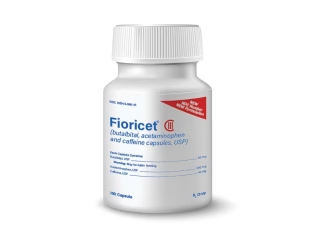 Buy Fioricet Online
 -
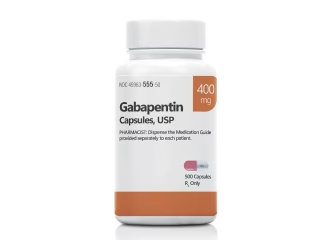 Buy Gabapentin Online
 -
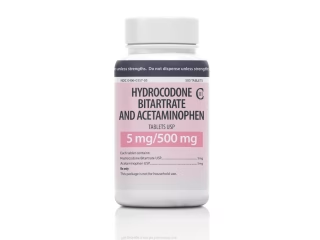 Buy Hydrocodone Online
 -
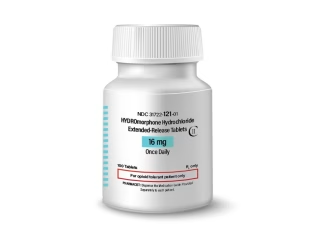 Buy Hydromorphone Online
 -
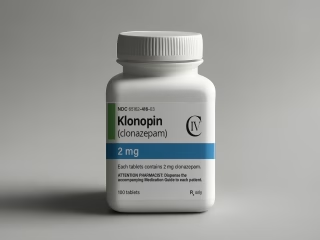 Buy Klonopin Online
 -
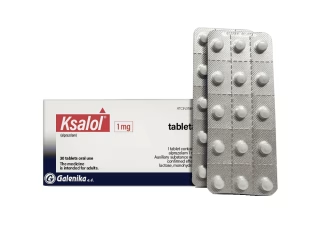 Buy Ksalol Online
 -
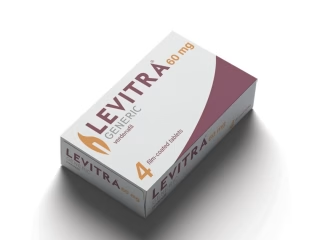 Buy Levitra Online
 -
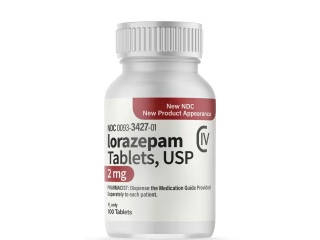 Buy Lorazepam Online
 -
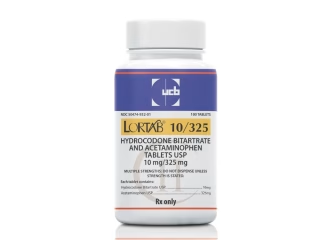 Buy Lortab Online
 -
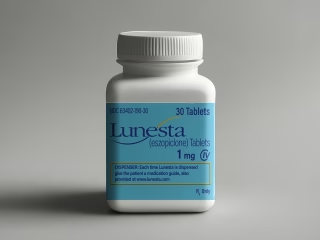 Buy Lunesta Online
 -
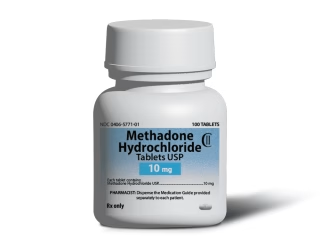 Buy Methadone Online
 -
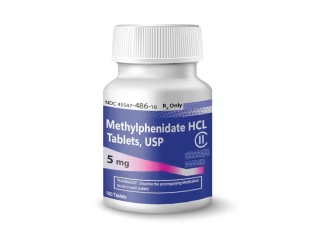 Buy Methylphenidate Online
 -
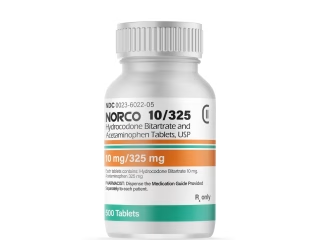 Buy Norco Online
 -
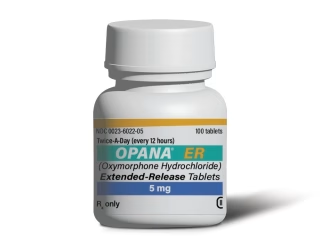 Buy Opana ER Online
 -
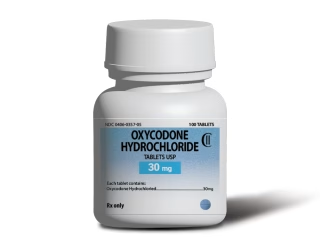 Buy Oxycodone Online
 -
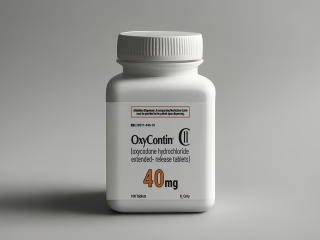 Buy Oxycontin Online
 -
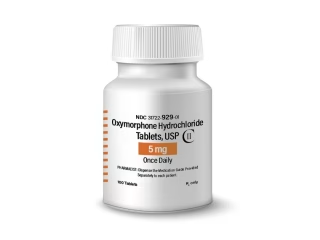 Buy Oxymorphone Online
 -
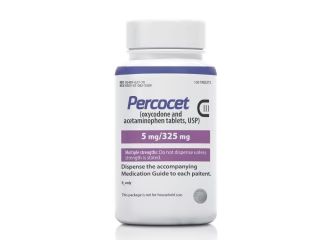 Buy Percocet Online
 -
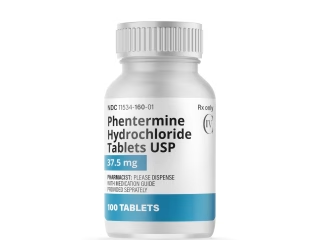 Buy Phentermine Online
 -
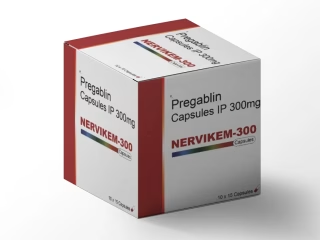 Buy Pregabalin Online
 -
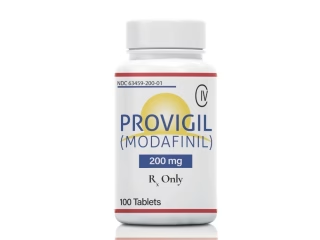 Buy Provigil Online
 -
 Buy Restoril Online
 -
 Buy Ritalin Online
 -
 Buy Soma Online
 -
 Buy Suboxone Online
 -
 Buy Tapentadol Online
 -
 Buy Tramadol Online
 -
 Buy Valium Online
 -
 Buy Viagra Online
 -
 Buy Vicodin Online
 -
 Buy Xanax Online
 -
 Buy Zolpidem Online
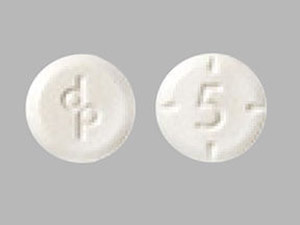
Adderall 5mg
$307.00
| 60 Pills | $307.00 | |
| 120 Pills | $407.00 | |
| 180 Pills | $557.00 | |
| 240 Pills | $647.00 | |
| 300 Pills | $757.00 |
Adderall 5 mg
What Is Adderall?
Adderall 5 mg is the lowest available strength of the immediate-release (IR) tablet formulation of Adderall. It is a central nervous system (CNS) stimulant prescription medicine classified as a Schedule II controlled substance in the United States due to its high potential for abuse and dependence.
The 5 mg strength is often prescribed as a starting dose, particularly for children or adults who are sensitive to stimulant medication. It contains a blend of amphetamine salts that work by increasing the availability of dopamine and norepinephrine in the brain.
What Adderall Is Prescribed For
Adderall 5 mg is FDA-approved for two conditions:
-
Attention-Deficit/Hyperactivity Disorder (ADHD): In children ages 3 to 17 years. It may help increase attention and decrease impulsiveness and hyperactivity.
-
Narcolepsy: In people ages 6 years and older.
Adderall is not known to be safe and effective in children with ADHD under 3 years of age, or in children with narcolepsy under 6 years of age.
Active Ingredients
The active ingredients in Adderall 5 mg are four amphetamine salts:
-
Dextroamphetamine saccharate
-
Amphetamine aspartate
-
Dextroamphetamine sulfate
-
Amphetamine sulfate
The 5 mg tablet contains approximately 12.8 mg of total amphetamine base equivalence. The inactive ingredients include colloidal silicon dioxide, compressible sugar (sucrose and maltodextrin), corn starch, magnesium stearate, microcrystalline cellulose, and saccharin sodium. The 5 mg tablet is white to off-white and contains no color additives.
Immediate-Release vs. Extended-Release
Adderall 5 mg is available only as an immediate-release (IR) tablet. It should not be confused with Adderall XR (extended-release), which is a different formulation.
| Feature | Immediate-Release (IR) Tablets | Extended-Release (XR) Capsules |
|---|---|---|
| Available strengths | 5 mg, 7.5 mg, 10 mg, 12.5 mg, 15 mg, 20 mg, 30 mg | 5 mg, 10 mg, 15 mg, 20 mg, 25 mg, 30 mg |
| Onset | Usually within 30–60 minutes | Delayed initial release |
| Duration | Approximately 4–6 hours | Approximately 10–12 hours |
| Dosing frequency | Often multiple times daily | Once daily, typically in the morning |
| Minimum age (ADHD) | 3 years | 6 years |
Note: The 5 mg strength exists in both formulations, but they are not interchangeable on a milligram-for-milligram basis.
Important Safety Information (Boxed Warning)
Abuse, Misuse, and Addiction: Adderall 5 mg has a high potential for abuse and misuse, which can lead to the development of a substance use disorder, including addiction. Misuse and abuse of CNS stimulants can result in overdose and death. This risk is increased with higher doses or unapproved methods of administration, such as snorting or injection.
-
Your healthcare provider should check you or your child’s risk for abuse, misuse, and addiction before starting treatment and will monitor during treatment.
-
Adderall 5 mg may lead to physical dependence after prolonged use, even if taken as directed.
-
Do not give Adderall to anyone else. Selling or giving away this medication is against the law and may harm others.
Common Side Effects
Pediatric patients ages 6 to 12: Loss of appetite, insomnia, abdominal pain, emotional lability, vomiting, nervousness, nausea, and fever.
Pediatric patients ages 13 to 17: Loss of appetite, insomnia, abdominal pain, weight loss, and nervousness.
Adults: Dry mouth, loss of appetite, insomnia, headache, weight loss, nausea, anxiety, agitation, dizziness, tachycardia, diarrhea, asthenia, and urinary tract infections.
Important Warnings
Cardiovascular Risks: Sudden death has been reported in patients with structural cardiac abnormalities or other serious heart disease who were treated with CNS stimulants at recommended doses. Adderall 5 mg generally should not be used in patients with known structural cardiac abnormalities, cardiomyopathy, serious heart rhythm abnormalities, or coronary artery disease. Adderall causes modest increases in average blood pressure (about 2–4 mmHg) and heart rate (about 3–6 bpm), with some patients experiencing larger increases.
Psychiatric Risks: Stimulants may cause new or worsening mental problems, including psychosis, mania, or bipolar illness. Treatment-emergent psychotic or manic symptoms (such as hallucinations, delusional thinking, or mania) can occur in patients without prior history of psychotic illness. Aggressive behavior or hostility has also been reported.
Long-Term Growth Suppression: CNS stimulants have been associated with weight loss and a slowing of growth rate in children. Careful follow-up of children ages 7 to 10 suggests consistently medicated children may have a temporary slowing in growth rate (on average, about 2 cm less growth in height and 2.7 kg less growth in weight over 3 years). Height and weight should be monitored during treatment with Adderall 5 mg.
Peripheral Vasculopathy (Raynaud’s Phenomenon): Stimulants are associated with circulation problems in fingers and toes. Signs include fingers or toes feeling numb, cool, or painful, or changing color from pale to blue to red.
Serotonin Syndrome: A potentially life-threatening reaction that may occur when Adderall 5 mg is taken with other serotonergic drugs. Symptoms include agitation, hallucinations, fast heartbeat, flushing, seizures, loss of coordination, confusion, dizziness, changes in blood pressure, sweating or fever, nausea, vomiting, diarrhea, muscle stiffness, and high body temperature. Stop taking Adderall and seek emergency care immediately if these occur.
Seizures: Stimulants may lower the convulsive threshold. Adderall 5 mg should be discontinued if seizures occur.
New or Worsening Tics: Adderall 5 mg may cause or worsen motor and verbal tics, or worsen Tourette’s syndrome.
Drug Interactions
MAOIs (Monoamine Oxidase Inhibitors): Taking Adderall 5 mg with MAOIs, or within 14 days of stopping an MAOI, can cause a hypertensive crisis with potentially fatal outcomes including death, stroke, myocardial infarction, and organ failure. This combination is contraindicated.
Serotonergic Drugs: Increased risk of serotonin syndrome. Examples include SSRIs, SNRIs, triptans, tricyclic antidepressants, fentanyl, lithium, tramadol, tryptophan, buspirone, and St. John’s Wort.
CYP2D6 Inhibitors: May increase amphetamine exposure and risk of serotonin syndrome. Examples include paroxetine, fluoxetine, quinidine, and ritonavir.
Alkalinizing Agents (e.g., antacids, sodium bicarbonate): Increase blood levels and potentiate the effects of amphetamine. Co-administration with Adderall 5 mg should be avoided.
Acidifying Agents (e.g., ascorbic acid, fruit juices): Lower blood levels and reduce efficacy of amphetamines.
Who Should Not Take Adderall 5 mg
Adderall 5 mg is contraindicated in patients with:
-
Known hypersensitivity or allergic reaction to amphetamine products
-
A history of drug abuse
-
Advanced arteriosclerosis, symptomatic cardiovascular disease, moderate to severe hypertension
-
Hyperthyroidism
-
Glaucoma
-
Agitated states
-
Current or recent (within 14 days) use of MAOIs
How Prescriptions Work
As a Schedule II controlled substance, Adderall 5 mg prescriptions are subject to strict federal and state regulations:
-
No refills allowed: Federal law prohibits refills on Schedule II prescriptions. A new prescription is required each time.
-
Limited quantity: Many jurisdictions limit the quantity that can be prescribed at once (often a 30-day supply).
-
Regular follow-up: Patients may need regular follow-up visits before receiving a new prescription.
-
Lowest effective dose: Prescribers should individualize dosage and use the lowest effective dose, which is why Adderall 5 mg is often a starting point.
-
Safe storage: Store Adderall 5 mg at room temperature (68° to 77°F / 20° to 25°C), protect from light, and keep in a safe place such as a locked cabinet.
Frequently Asked Questions
Is Adderall 5 mg safe for long-term use?
The effectiveness of Adderall 5 mg for long-term use has not been systematically evaluated in controlled trials. Physicians should periodically re-evaluate the long-term usefulness for each patient.
Does Adderall 5 mg affect sleep?
Insomnia is a common side effect. Taking the medication earlier in the day can help minimize sleep difficulties.
Can I stop taking Adderall 5 mg suddenly?
Abrupt discontinuation after prolonged use can lead to withdrawal symptoms. This should be managed under medical supervision.
What does “5 mg” mean in Adderall 5 mg?
The 5 mg refers to the total amount of the four amphetamine salts combined, which equals approximately 12.8 mg of total amphetamine base equivalence.
Is Adderall 5 mg the same as Adderall XR 5 mg?
No. Adderall 5 mg is an immediate-release tablet, while Adderall XR 5 mg is an extended-release capsule. They have different onset times, durations, and dosing schedules.
Related products
-
$337.00Select options This product has multiple variants. The options may be chosen on the product page
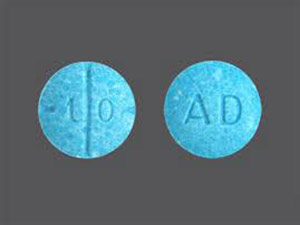
What Is Adderall? Adderall 10 mg is a mid-range strength of the immediate-release (IR) tablet formulation of Adderall. It is a central nervous system (CNS) stimulant prescription medicine classified as a Schedule II controlled substance in the United States due to its high potential for abuse and dependence . The 10 mg strength is one …
-
$357.00Select options This product has multiple variants. The options may be chosen on the product page
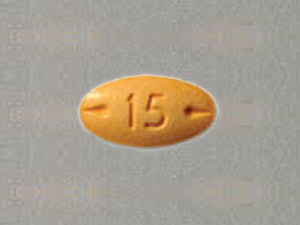
What Is Adderall 15 mg? Adderall 15 mg is a mid-to-upper strength of the immediate-release (IR) tablet formulation of Adderall. It is a central nervous system (CNS) stimulant prescription medicine classified as a Schedule II controlled substance in the United States due to its high potential for abuse and dependence. The 15 mg strength is …
-
$337.00Select options This product has multiple variants. The options may be chosen on the product page
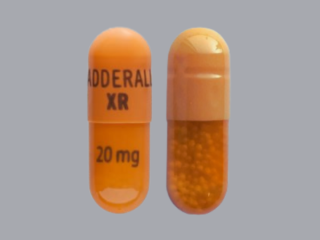
What Is Adderall XR 20 mg? Adderall XR 20 mg is a mid-strength capsule of the extended-release (XR) formulation of mixed amphetamine salts. It is a central nervous system (CNS) stimulant classified as a Schedule II controlled substance in the United States due to its high potential for abuse and dependence. The 20 mg strength …
-
$337.00Select options This product has multiple variants. The options may be chosen on the product page
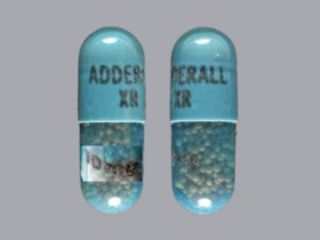
What Is Adderall XR 10 mg? Adderall XR 10 mg is a low-to-mid strength of the extended-release (XR) capsule formulation of Adderall. It is a central nervous system (CNS) stimulant prescription medicine classified as a Schedule II controlled substance in the United States due to its high potential for abuse and dependence. The 10 mg …
-
$367.00Select options This product has multiple variants. The options may be chosen on the product page
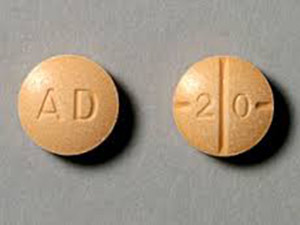
What Is Adderall 20 mg? Adderall 20 mg is a mid-to-high strength of the immediate-release (IR) tablet formulation of Adderall. It is a central nervous system (CNS) stimulant prescription medicine classified as a Schedule II controlled substance in the United States due to its high potential for abuse and dependence. The 20 mg strength is …
Reviews
There are no reviews yet.