
Product Category
-
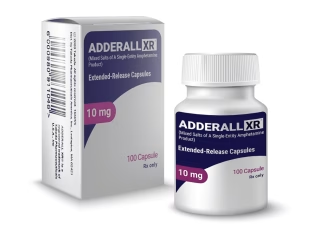 Buy Adderall Online
 -
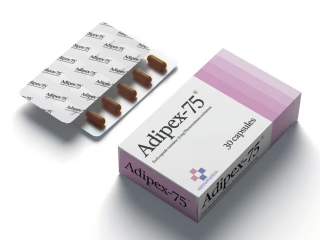 Buy Adipex Online
 -
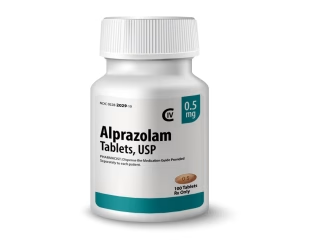 Buy Alprazolam Online
 -
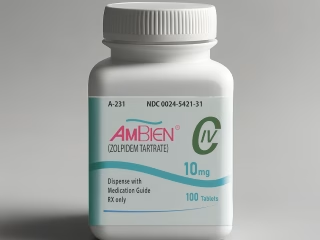 Buy Ambien Online
 -
 Buy Ativan Online
 -
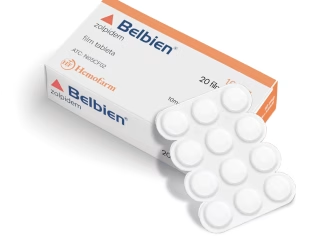 Buy Belbien Online
 -
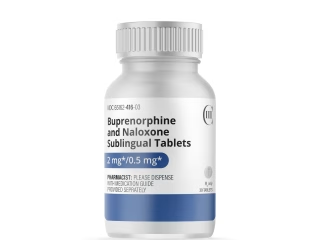 Buy Buprenorphine Online
 -
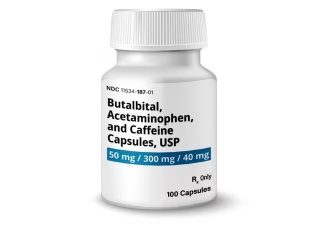 Buy Butalbital Online
 -
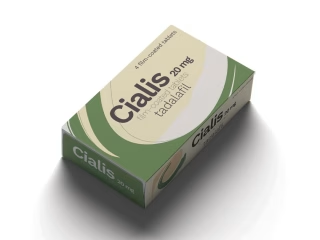 Buy Cialis Online
 -
 Buy Claritin Online
 -
 Buy Clonazepam Online
 -
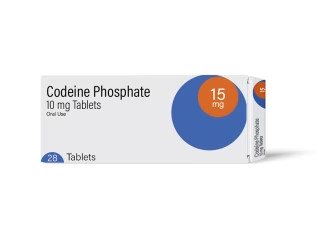 Buy Codeine Online
 -
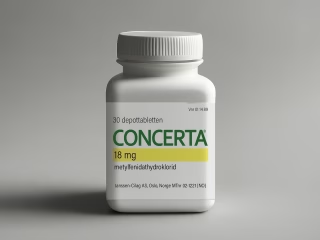 Buy Concerta Online
 -
 Buy Diazepam Online
 -
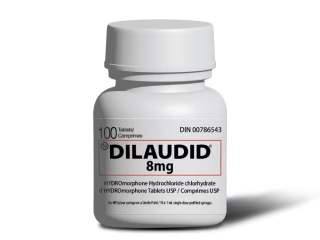 Buy Dilaudid Online
 -
 Buy Farmapram Online
 -
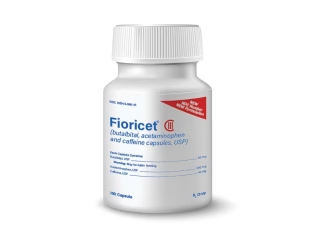 Buy Fioricet Online
 -
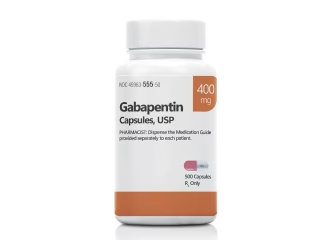 Buy Gabapentin Online
 -
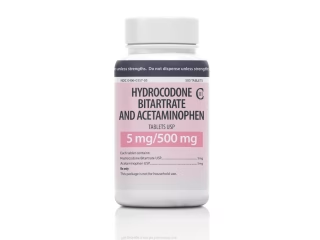 Buy Hydrocodone Online
 -
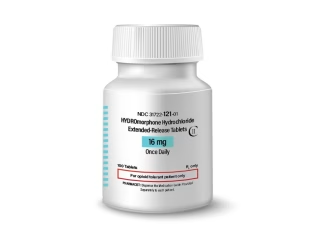 Buy Hydromorphone Online
 -
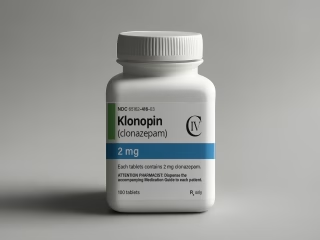 Buy Klonopin Online
 -
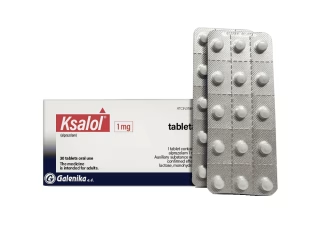 Buy Ksalol Online
 -
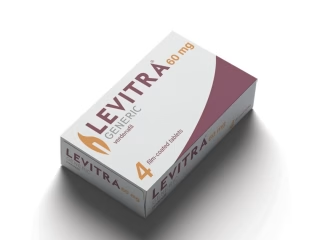 Buy Levitra Online
 -
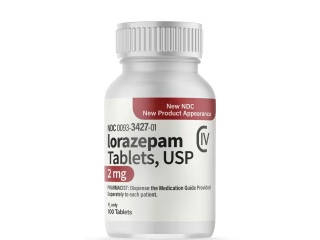 Buy Lorazepam Online
 -
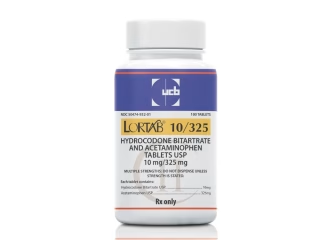 Buy Lortab Online
 -
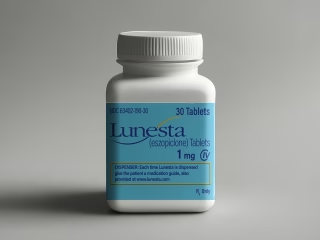 Buy Lunesta Online
 -
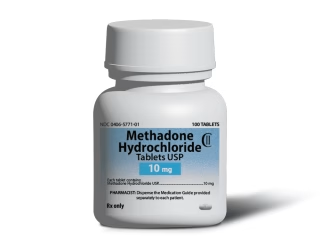 Buy Methadone Online
 -
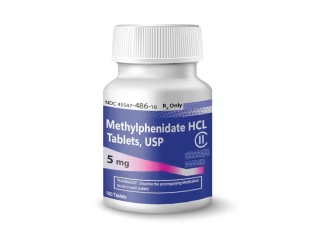 Buy Methylphenidate Online
 -
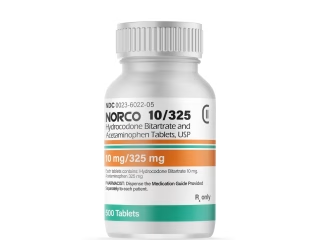 Buy Norco Online
 -
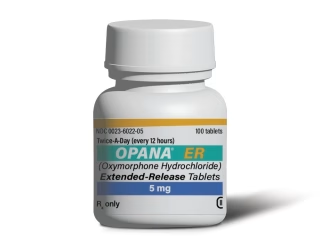 Buy Opana ER Online
 -
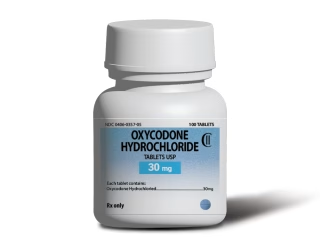 Buy Oxycodone Online
 -
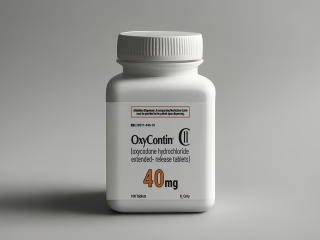 Buy Oxycontin Online
 -
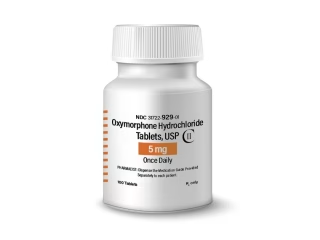 Buy Oxymorphone Online
 -
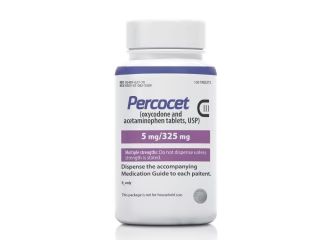 Buy Percocet Online
 -
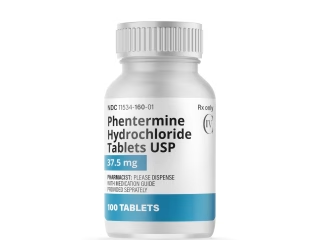 Buy Phentermine Online
 -
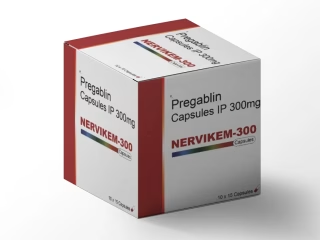 Buy Pregabalin Online
 -
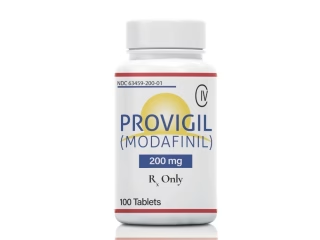 Buy Provigil Online
 -
 Buy Restoril Online
 -
 Buy Ritalin Online
 -
 Buy Soma Online
 -
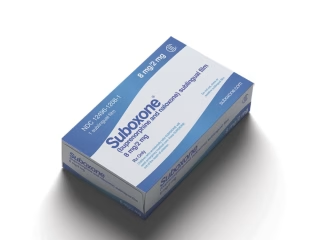 Buy Suboxone Online
 -
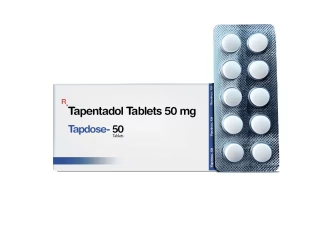 Buy Tapentadol Online
 -
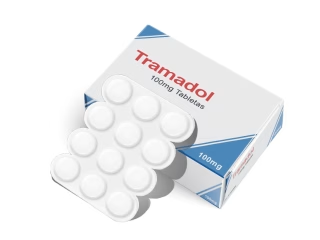 Buy Tramadol Online
 -
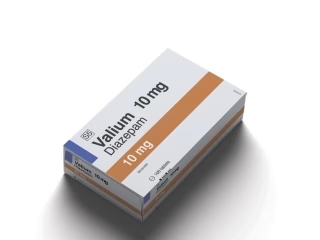 Buy Valium Online
 -
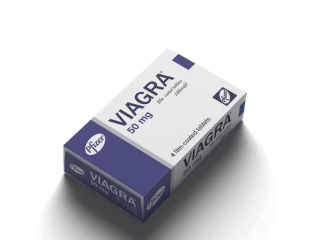 Buy Viagra Online
 -
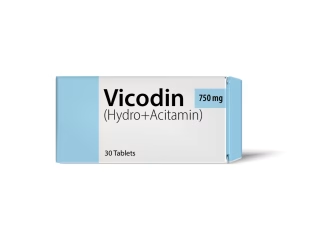 Buy Vicodin Online
 -
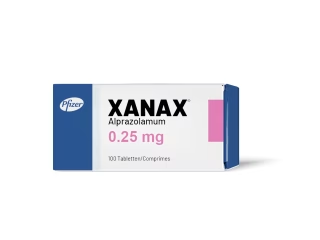 Buy Xanax Online
 -
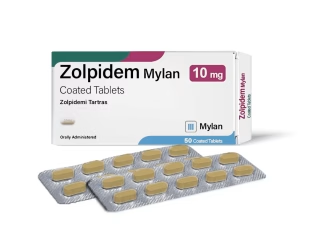 Buy Zolpidem Online
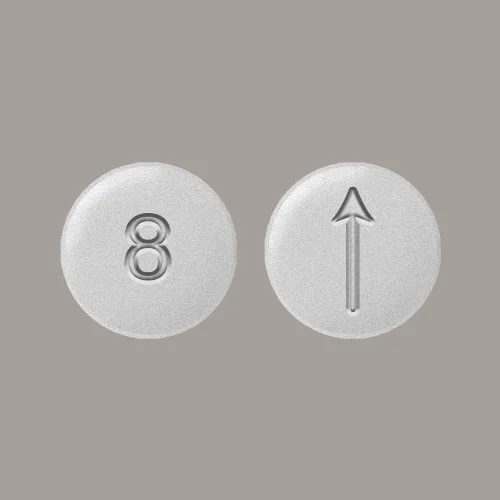
Buprenorphine 8mg
$310.00
| 60 Pills | $310.00 | |
| 120 Pills | $429.00 | |
| 180 Pills | $602.00 | |
| 240 Pills | $782.00 | |
| 300 Pills | $939.00 |
What Is Buprenorphine 8 mg?
Buprenorphine 8 mg is a mid-to-high strength sublingual (under-the-tongue) tablet of buprenorphine, a partial opioid agonist used primarily for the treatment of Opioid Use Disorder (OUD). It is a Schedule III controlled substance in the United States, meaning it has a recognized medical use but also a potential for abuse and dependence.
The 8 mg strength is one of the most commonly prescribed maintenance doses. The average daily maintenance dose is 8 mg, and the majority of patients do not require doses higher than 16 mg per day . Buprenorphine works by binding to opioid receptors in the brain, reducing cravings and withdrawal symptoms while producing a ceiling effect that limits respiratory depression compared to full agonists.
What Buprenorphine 8 mg Is Prescribed For
Buprenorphine is FDA-approved for one primary indication:
-
Opioid Use Disorder (OUD): To help patients stop using heroin or prescription opioids, manage withdrawal symptoms, and block the effects of other opioids. It is part of a complete treatment program that also includes counseling and behavioral therapy.
Important limitation: Buprenorphine 8 mg is not a standalone cure for addiction. It works best as part of a comprehensive treatment plan that includes counseling and social support.
Active Ingredients
The active ingredient is buprenorphine, a partial agonist at the mu-opioid receptor and an antagonist at the kappa-opioid receptor .
Common formulations:
-
Buprenorphine alone (Subutex): Sometimes used during induction or in patients who cannot tolerate naloxone.
-
Buprenorphine/naloxone (Suboxone): The most common combination, where naloxone is added to deter intravenous misuse. An 8 mg strength typically contains 8 mg buprenorphine and 2 mg naloxone .
The tablet is placed under the tongue and allowed to dissolve completely. It should not be chewed or swallowed. Oral use is inappropriate because buprenorphine undergoes first-pass metabolism in the intestine and liver .
Dosage Guidelines
Induction: The recommended initial dose is 2 to 4 mg, with an additional 2 to 4 mg on the first day if needed. A critical warning: administering buprenorphine to someone physically dependent on full opioid agonists can precipitate withdrawal if given too soon. For heroin or short-acting opioids, the first dose should be taken at least 6 hours after the last opioid use, when objective signs of withdrawal appear . For patients on methadone, the dose must be reduced to a maximum of 30 mg/day before starting buprenorphine, and the first dose should be taken no earlier than 24 hours after the last methadone dose .
Stabilization: The dose should be gradually increased based on clinical effect. The dose is titrated in steps of 2–8 mg, and a maintenance dose of 8–16 mg is usually sufficient .
Maintenance: The average daily maintenance dose is 8 mg, and most patients do not need doses higher than 16 mg/day. The maximum daily dose is 24 mg .
Non-daily dosing: After satisfactory stabilization, the dosing frequency may be reduced to every other day using twice the individually titrated daily dose. For example, a patient stabilized on 8 mg daily can receive 16 mg every other day. Some patients may reduce to three times per week (e.g., Monday, Wednesday, Friday), with Monday and Wednesday doses equal to twice the daily dose and Friday dose equal to three times the daily dose. The dose given on any day must never exceed 24 mg .
Discontinuation: Buprenorphine should be tapered gradually. Abrupt discontinuation can cause withdrawal symptoms, though they are generally milder than with full opioids due to buprenorphine’s long half-life and slow dissociation from receptors .
Important Safety Information (Boxed Warning)
Addiction, Abuse, and Misuse: Buprenorphine exposes patients to risks of opioid addiction, abuse, and misuse, which can lead to overdose and death.
Life-Threatening Respiratory Depression: Serious, life-threatening, or fatal respiratory depression may occur, especially during initiation or after a dose increase. Misuse by chewing, swallowing, snorting, or injecting buprenorphine extracted from its formulation will result in uncontrolled delivery and pose a significant risk of overdose and death.
Accidental Exposure: Buprenorphine can cause severe, possibly fatal, respiratory depression in children who are accidentally exposed to it. Store buprenorphine-containing medications safely out of the sight and reach of children and destroy any unused medication appropriately .
Neonatal Opioid Withdrawal Syndrome: Prolonged use during pregnancy can result in neonatal opioid withdrawal syndrome, which may be life-threatening if not recognized and treated. Advise pregnant women of the risk and ensure appropriate treatment will be available .
Common Side Effects
The most commonly reported side effects have been related to withdrawal (e.g., insomnia, headache, nausea, and hyperhidrosis) as well as pain . Other side effects occurring in more than 5% of patients include constipation, vomiting, and increased sweating.
Dental Warning: The FDA issued a warning in 2022 about dental decay, cavities, oral infections, and tooth loss associated with oral buprenorphine formulations. In a review of 305 cases (131 classified as serious), the most common treatment was tooth extraction/removal, reported in 71 cases. Some cases occurred as soon as 2 weeks after treatment began, with a median time to diagnosis of approximately 2 years. Patients should dissolve the medication completely, follow with a large sip of water, swish gently, and wait at least 1 hour before brushing teeth .
Important Warnings
Respiratory Depression with CNS Depressants: Combining buprenorphine with benzodiazepines, alcohol, gabapentinoids, or other CNS depressants increases the risk of sedation, respiratory depression, coma, and death. Post-marketing reports have described coma and death associated with concomitant use of buprenorphine and benzodiazepines. Ensure other healthcare providers are aware of the patient’s buprenorphine treatment and coordinate care .
Precipitated Withdrawal: Administering buprenorphine to someone physically dependent on full opioid agonists can precipitate withdrawal if given too soon. The starting dose and timing are critical. Induction should be undertaken when objective signs of withdrawal are evident .
Hepatic Impairment: Buprenorphine should be used with caution in patients with moderate hepatic impairment and is contraindicated in severe hepatic impairment. Liver function tests are recommended prior to initiation and during treatment. Cases of cytolytic hepatitis and hepatitis with jaundice have been observed, ranging from transient asymptomatic elevations in hepatic transaminases to case reports of death, hepatic failure, hepatic necrosis, hepatorenal syndrome, and hepatic encephalopathy .
Adrenal Insufficiency: Cases have been reported with opioid use, more often following greater than one month of use. Presentation may include nausea, vomiting, anorexia, fatigue, weakness, dizziness, and low blood pressure .
Hypersensitivity Reactions: Cases of bronchospasm, angioneurotic edema, and anaphylactic shock have been reported. The most common signs and symptoms include rashes, hives, and pruritus .
Driving and Machinery: Buprenorphine can cause drowsiness, dizziness, or abnormal thoughts, especially when treatment is initiated or the dose is adjusted. Patients should be warned not to drive or use dangerous machines if buprenorphine affects their ability to perform such activities .
Drug Interactions
CYP3A4 Inhibitors (e.g., ketoconazole, ritonavir): May increase buprenorphine plasma concentrations. In a study of 12 patients stabilized on buprenorphine/naloxone (8 mg, 12 mg, or 16 mg), co-administration with ketoconazole significantly increased buprenorphine Cmax and AUC. Monitor closely and consider dose reduction .
CYP3A4 Inducers (e.g., rifampicin, carbamazepine): May decrease buprenorphine concentrations, potentially precipitating withdrawal symptoms.
Serotonergic Drugs (SSRIs, SNRIs, MAOIs): Increased risk of serotonin syndrome, a potentially life-threatening condition. Symptoms may include changes in mental state, autonomic instability, neuromuscular abnormalities, and/or gastrointestinal symptoms. Monitor closely, especially at treatment initiation and dose increases .
Benzodiazepines: Co-administration may result in coma or death due to respiratory depression of central origin. Many post-marketing reports involve intravenous misuse of buprenorphine combined with benzodiazepines. Warn patients of the dangers of self-injecting benzodiazepines while on buprenorphine treatment .
Other CNS Depressants: Opioid derivatives (e.g., methadone, analgesics, antitussives), certain antidepressants, sedative H1 receptor antagonists, barbiturates, anxiolytics other than benzodiazepines, antipsychotics, clonidine, and related substances may increase CNS depression. Alertness may be reduced, making driving and machine use dangerous .
Alcohol: Should not be used with buprenorphine because alcohol increases the sedative effect .
Who Should Not Take Buprenorphine 8 mg
Buprenorphine is contraindicated in patients with :
-
Hypersensitivity to buprenorphine or any excipient
-
Severe respiratory insufficiency
-
Severe hepatic impairment
-
Acute alcoholism or delirium tremens
-
Use during acute asthma attack
-
Head injury and increased intracranial pressure
-
Breast feeding
How Prescriptions Work
Federal legislation passed in December 2022 eliminated the X-waiver requirement. Today, any clinician with DEA approval to prescribe Schedule III medications can prescribe buprenorphine.
-
Telemedicine: A DEA final rule published in January 2025 permits DEA-registered practitioners to prescribe buprenorphine through audio-only telemedicine encounters without a prior in-person evaluation.
-
Refills: Schedule III prescriptions may be refilled up to 5 times within 6 months, unless restricted by state law.
-
Daily dispensing: During induction, daily dispensing is recommended. After stabilization, medication for multiple days may be given to reliable patients, but the amount should be limited to a maximum of 7 days .
-
Naloxone Co-prescribing: Strongly consider prescribing naloxone for all patients receiving buprenorphine for OUD, especially if they have household members at risk of accidental exposure .
-
Safe Storage: Keep buprenorphine in a secure location. Never share it with others. Misuse by someone other than the intended patient poses the additional risk of new drug dependent individuals using buprenorphine as the primary drug of abuse .
Frequently Asked Questions
Is buprenorphine 8 mg the same as Suboxone 8 mg?
Suboxone is a brand name for the combination of buprenorphine and naloxone. An 8 mg Suboxone film contains 8 mg buprenorphine and 2 mg naloxone. Generic versions are also available .
Can I stop taking buprenorphine 8 mg suddenly?
No. Abrupt discontinuation can cause withdrawal symptoms, though they are generally milder than with full opioids due to buprenorphine’s long half-life. A gradual taper under medical supervision is recommended .
Can I drink alcohol while taking buprenorphine?
No. Alcohol increases the sedative effects of buprenorphine and can cause dangerous respiratory depression. Avoid alcohol and alcohol-containing medications .
What happens if I take buprenorphine too soon after another opioid?
Taking buprenorphine while physically dependent on a full opioid agonist can precipitate withdrawal. For heroin or short-acting opioids, wait at least 6 hours after the last use. For methadone, wait at least 24 hours and reduce the methadone dose to a maximum of 30 mg/day before starting .
Does buprenorphine cause dental problems?
Yes. The FDA issued a warning in 2022 about dental decay and tooth loss associated with oral buprenorphine. Dissolve completely, rinse with water, and wait 1 hour before brushing. See a dentist soon after starting treatment and for regular checkups .
Is buprenorphine safe during pregnancy?
Buprenorphine is generally considered safer for both mother and baby than untreated opioid use disorder. However, it can cause neonatal opioid withdrawal syndrome, which requires monitoring and treatment after birth. The risk must be balanced against the risk of untreated opioid addiction, which is associated with poor pregnancy outcomes .
How long does buprenorphine stay in your system?
Buprenorphine has a mean elimination half-life of 24 to 42 hours. It can be detected in urine for several days to over a week after the last dose, depending on dose and individual factors.
Conclusion
Buprenorphine 8 mg is a mid-to-high strength sublingual formulation of a partial opioid agonist approved for Opioid Use Disorder. As a Schedule III controlled substance, it carries a boxed warning for addiction, abuse, misuse, life-threatening respiratory depression, accidental exposure, and neonatal opioid withdrawal syndrome. The 8 mg dose is the average daily maintenance dose, with most patients not requiring more than 16 mg/day. Common side effects include insomnia, headache, nausea, and constipation. Serious risks include respiratory depression when combined with CNS depressants, precipitated withdrawal if started too soon after full agonists, hepatic events, and dental complications with oral formulations. The X-waiver requirement has been eliminated, allowing any DEA-registered clinician to prescribe buprenorphine, and telemedicine prescribing via audio-only encounters is now permitted. Patients should dissolve the medication completely, avoid alcohol, store it securely, and never stop treatment abruptly without medical supervision.
2 reviews for Buprenorphine 8mg
Related products
-
$310.00Select options This product has multiple variants. The options may be chosen on the product page
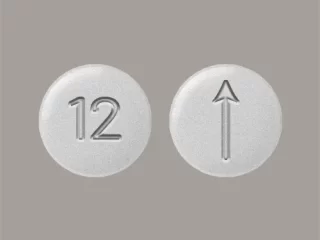
What Is Buprenorphine 12 mg? Buprenorphine 12 mg is a mid-to-high strength sublingual (under-the-tongue) formulation of buprenorphine, a partial opioid agonist used primarily for the treatment of Opioid Use Disorder (OUD). It is a Schedule III controlled substance in the United States, meaning it has a recognized medical use but also a potential for abuse …
-
$309.00Select options This product has multiple variants. The options may be chosen on the product page
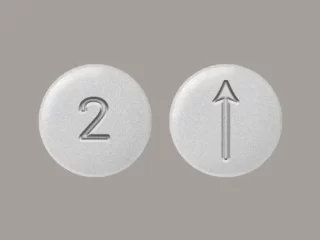
What Is Buprenorphine 2 mg? Buprenorphine 2 mg is the lowest standard strength of the sublingual (under-the-tongue) tablet formulation of buprenorphine, a partial opioid agonist used primarily for the treatment of Opioid Use Disorder (OUD). It is a Schedule III controlled substance in the United States, meaning it has a recognized medical use but also …
-
$310.00Select options This product has multiple variants. The options may be chosen on the product page
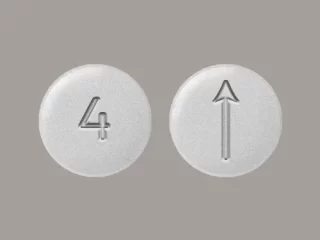
What Is Buprenorphine 4 mg? Buprenorphine 4 mg is a low-to-mid strength sublingual (under-the-tongue) tablet formulation of buprenorphine, a partial opioid agonist used primarily for the treatment of Opioid Use Disorder (OUD). It is a Schedule III controlled substance in the United States, meaning it has a recognized medical use but also a potential for …
taraparker
Quick turnaround and great communication. Five stars!
ulyssesevans
They make getting my meds feel easy and stress-free.